University–Industry Partnership Drives Smart Manufacturing Forward
University–Industry Cooperation Visit Strengthens Innovation in Smart Construction Equipment Manufacturing
Luangqi Intelligent Equipment Group recently welcomed a senior delegation led by the Vice President of Heze University, together with key faculty members from machinery-related disciplines, for an in-depth visit and technical exchange. The program focused on university–industry cooperation, applied talent development, and research collaboration in smart construction equipment manufacturing. The visit reflects the company’s long-term commitment to strengthening engineering capabilities and advancing intelligent manufacturing through academic partnership.
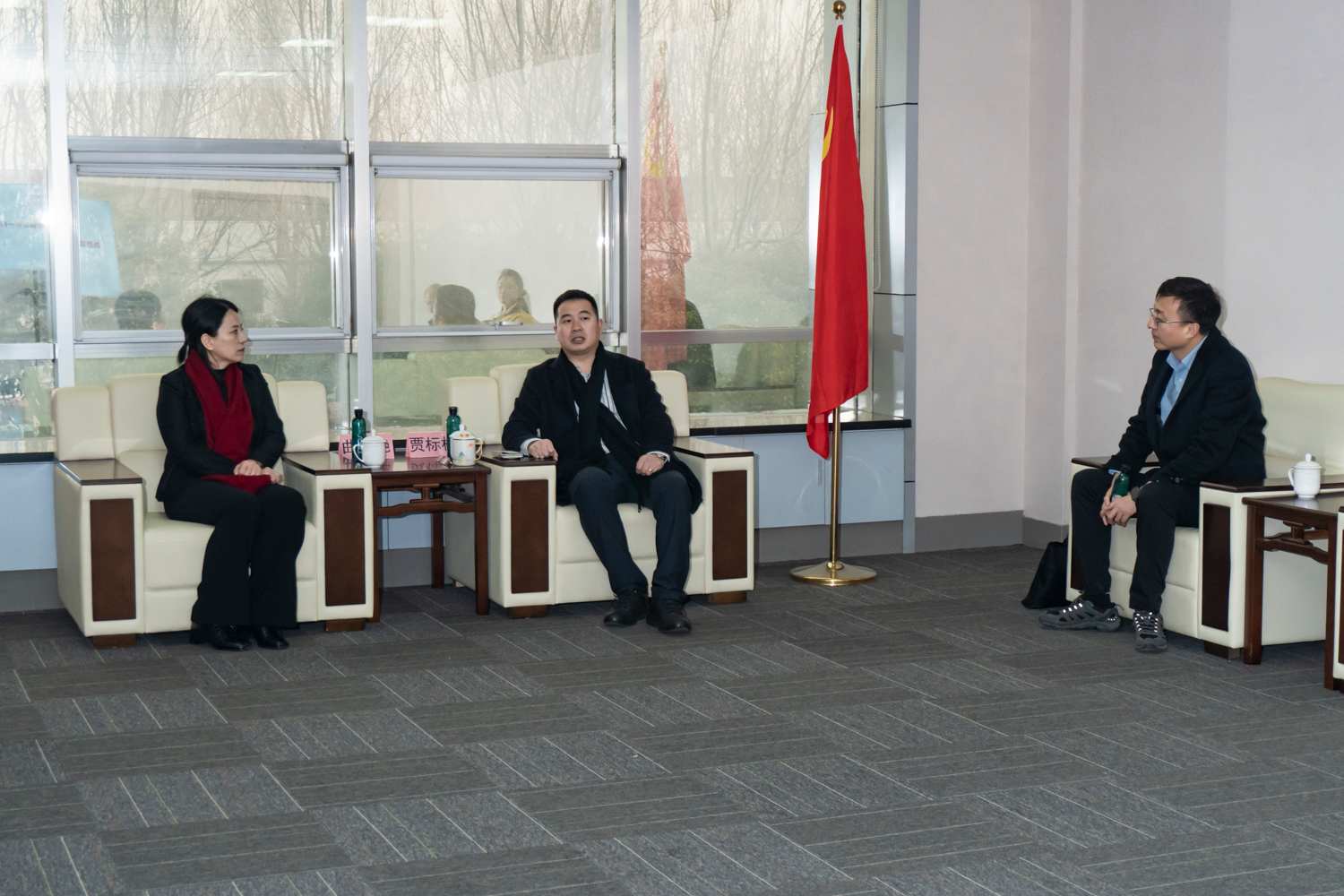
Chairman Jia Biaobiao and the core management team hosted the delegation throughout the visit. Both sides held structured discussions on joint training programs, technical research cooperation, and talent pipeline development, aiming to build a stable collaboration mechanism that supports product innovation and industrial upgrading for global markets.
Heze University Delegation Visit
Advancing Smart Construction Equipment Through Academic Partnership
Luangqi Intelligent Equipment Group operates as an integrated manufacturer covering R&D, production, and export of compact construction machinery and intelligent equipment. With products delivered to more than 170 countries and regions, the company maintains a strong position in the small construction machinery sector.
Guided by the mission “Rise from the East, Intelligent Manufacturing for the Future,” the company continues to invest in engineering capability and process improvement. Cooperation with universities plays a practical role in strengthening technical depth across multiple areas:
1. Applied Mechanical Engineering Talent
University cooperation supports the development of practice-oriented mechanical and automation engineers who can directly participate in equipment design, testing, and process optimization.
2. Joint Technology Research Programs
Both sides discussed collaboration in compact machinery systems, intelligent control modules, and production automation — all critical for next-generation smart construction equipment.
3. Practice and Training Base Development
Plans were discussed to establish joint training bases where students can participate in real manufacturing and testing environments, improving workforce readiness.
University–Enterprise Exchange Session
Facility Tour: Smart Manufacturing and Process Control in Practice
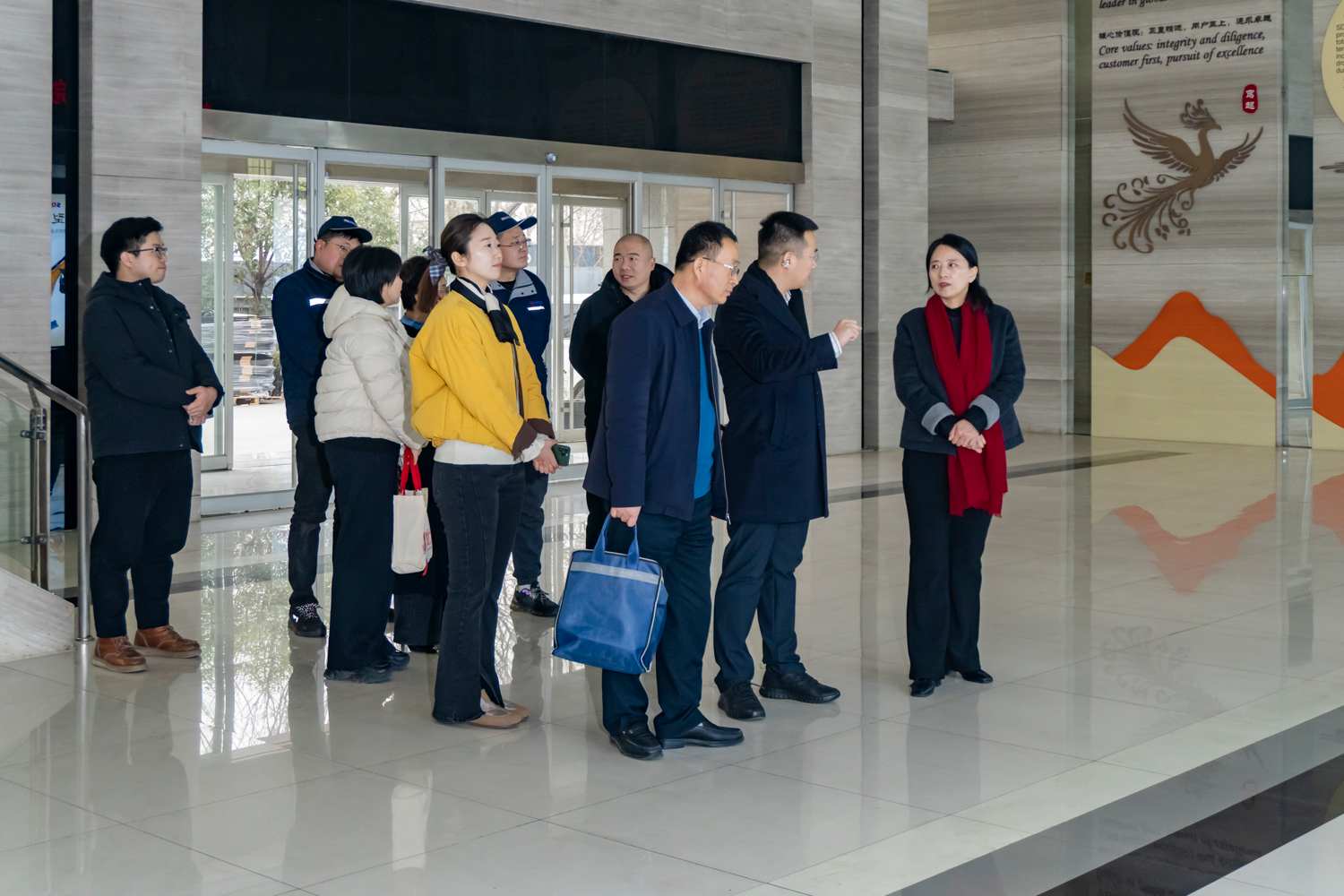
During the visit, the delegation toured the production workshops, product showroom, and test-drive experience areas. The tour provided a structured overview of how smart construction equipment is designed, assembled, tested, and validated before delivery to international markets.
Key manufacturing capabilities demonstrated included:
1. Automated and Semi-Automated Production Lines
Visitors reviewed fabrication and assembly workflows where standardized processes and tooling systems ensure repeatable product quality.
2. Quality Control and Inspection Standards
Engineering staff presented quality checkpoints covering component inspection, assembly verification, and finished-machine testing procedures.
3. Product Testing and Operator Evaluation
Faculty representatives conducted hands-on operation tests of compact construction machines and evaluated ergonomics, control response, and safety features, giving positive feedback on product stability and usability.
Smart Manufacturing Facility Tour
Product Focus: Compact and Intelligent Construction Equipment
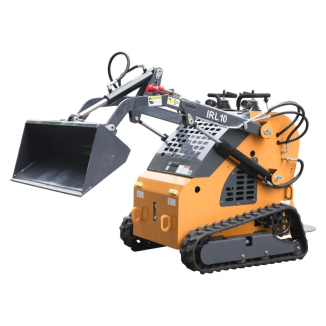
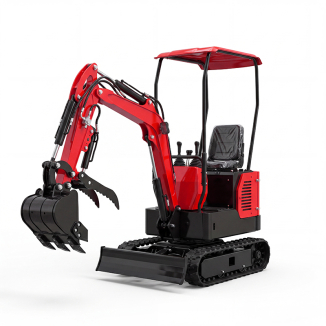
Luangqi Intelligent Equipment Group focuses on small construction machinery and intelligent equipment designed for flexible jobsite use. Typical product structures in this category include:
1. Reinforced Structural Frames
Advancing Smart Construction Equipment Through Academic Partnership
Luangqi Intelligent Equipment Group operates as an integrated manufacturer covering R&D, production, and export of compact construction machinery and intelligent equipment. With products delivered to more than 170 countries and regions, the company maintains a strong position in the small construction machinery sector.
Guided by the mission “Rise from the East, Intelligent Manufacturing for the Future,” the company continues to invest in engineering capability and process improvement. Cooperation with universities plays a practical role in strengthening technical depth across multiple areas:
1. Applied Mechanical Engineering Talent
University cooperation supports the development of practice-oriented mechanical and automation engineers who can directly participate in equipment design, testing, and process optimization.
2. Joint Technology Research Programs
Both sides discussed collaboration in compact machinery systems, intelligent control modules, and production automation — all critical for next-generation smart construction equipment.
3. Practice and Training Base Development
Plans were discussed to establish joint training bases where students can participate in real manufacturing and testing environments, improving workforce readiness.
University–Enterprise Exchange Session
Facility Tour: Smart Manufacturing and Process Control in Practice
During the visit, the delegation toured the production workshops, product showroom, and test-drive experience areas. The tour provided a structured overview of how smart construction equipment is designed, assembled, tested, and validated before delivery to international markets.
Key manufacturing capabilities demonstrated included:
1. Automated and Semi-Automated Production Lines
Visitors reviewed fabrication and assembly workflows where standardized processes and tooling systems ensure repeatable product quality.
2. Quality Control and Inspection Standards
Engineering staff presented quality checkpoints covering component inspection, assembly verification, and finished-machine testing procedures.
3. Product Testing and Operator Evaluation
Faculty representatives conducted hands-on operation tests of compact construction machines and evaluated ergonomics, control response, and safety features, giving positive feedback on product stability and usability.
Smart Manufacturing Facility Tour
Product Focus: Compact and Intelligent Construction Equipment
Luangqi Intelligent Equipment Group focuses on small construction machinery and intelligent equipment designed for flexible jobsite use. Typical product structures in this category include:
1. Reinforced Structural Frames
Designed for durability under repeated load cycles and vibration conditions.
2. Modular Attachment Interfaces
Supporting multi-function operation across construction, landscaping, and agricultural applications.
3. Integrated Control Systems
Combining mechanical, hydraulic, and electronic controls for stable and precise operation.
4. Service-Friendly Layout
Allowing easier inspection and maintenance access — an important factor for international fleet buyers.
Technical discussions during the visit also covered automation level, process consistency, and continuous product improvement driven by engineering feedback loops.
Talent Needs and Technical Challenges in Equipment Manufacturing
During the symposium session, Chairman Jia Biaobiao introduced the company’s development scale, current talent requirements, and technical bottlenecks encountered in advanced equipment manufacturing. Key topics included:
1. Need for cross-disciplinary engineers
2. Control system optimization
3. Process automation upgrades
4. Testing and validation methodology
He emphasized that cooperation with universities helps a smart construction equipment manufacturer accelerate problem solving and reduce development cycles.
Vice President Qu Xiangyan recognized the company’s manufacturing achievements and outlined the university’s strengths in application-oriented education. She confirmed that the university will actively align curriculum and research resources with enterprise needs, delivering interdisciplinary talent and applied research support.
Global Industry Trend: Education–Manufacturing Integration
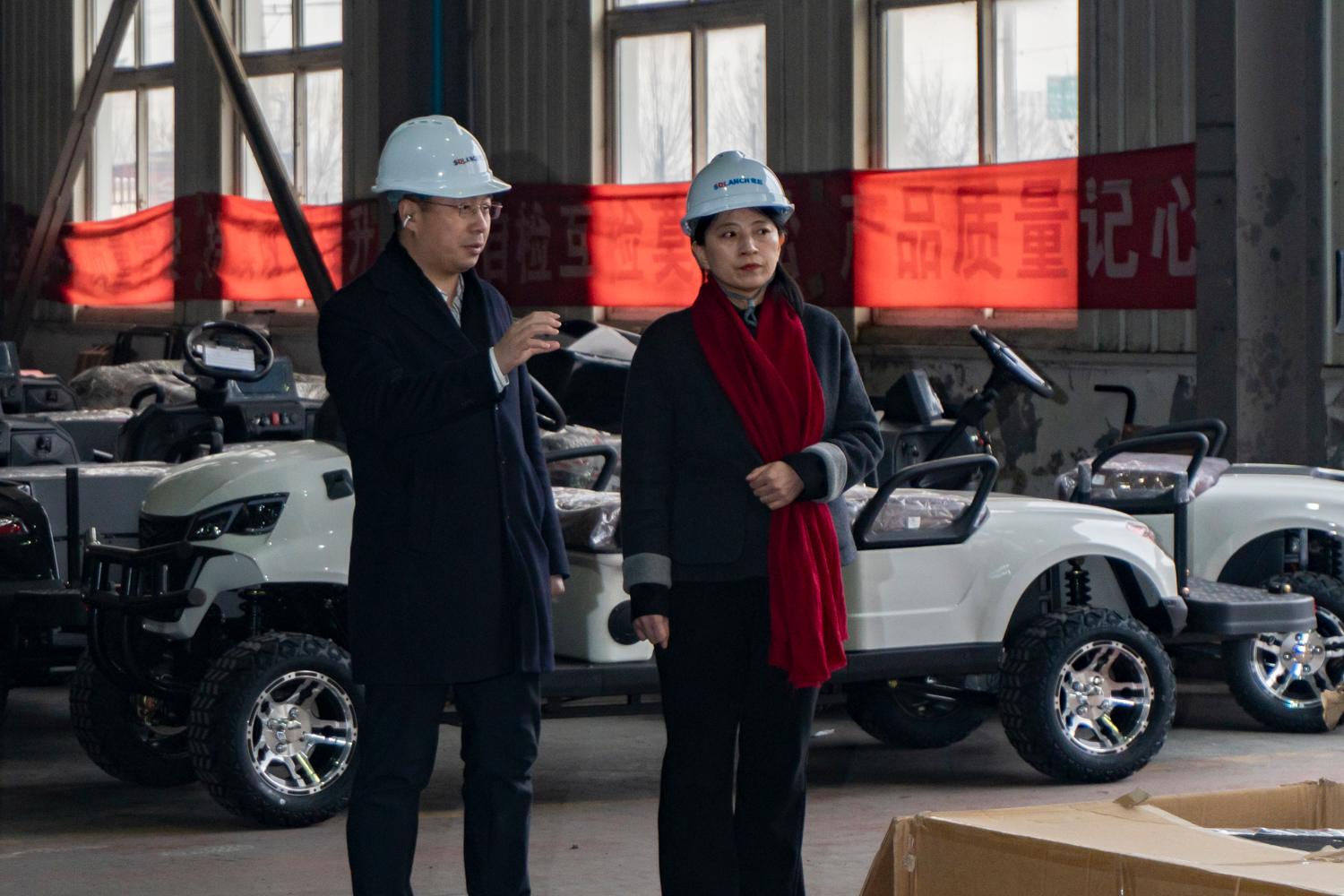
The cooperation model discussed — including joint R&D, targeted talent programs, and shared training platforms — aligns with international manufacturing trends. In the global compact machinery and smart equipment sector, competitive suppliers increasingly build structured links with academic institutions.
This model supports:
1. Faster Technology Transfer
Research outcomes can be validated in real production environments.
2. Better Engineering Documentation
Academic participation improves testing records and technical reporting quality.
3. Stronger Innovation Continuity
Talent pipelines reduce long-term technical risk for manufacturers and buyers.
For international distributors and OEM partners, this signals higher supplier maturity and long-term stability.
Benefits for International Buyers and Partners
For global buyers sourcing compact construction machinery and smart equipment, university–industry cooperation at the manufacturer level creates practical advantages:
1. More stable engineering teams
2. Better-tested product platforms
3. Stronger customization capability
4. Improved technical communication
5. More reliable long-term supply capacity
Hands-on evaluation during the visit — including machine operation tests by faculty specialists — further validated product quality and innovation capability.
Conclusion: Building Long-Term Innovation Through Cooperation
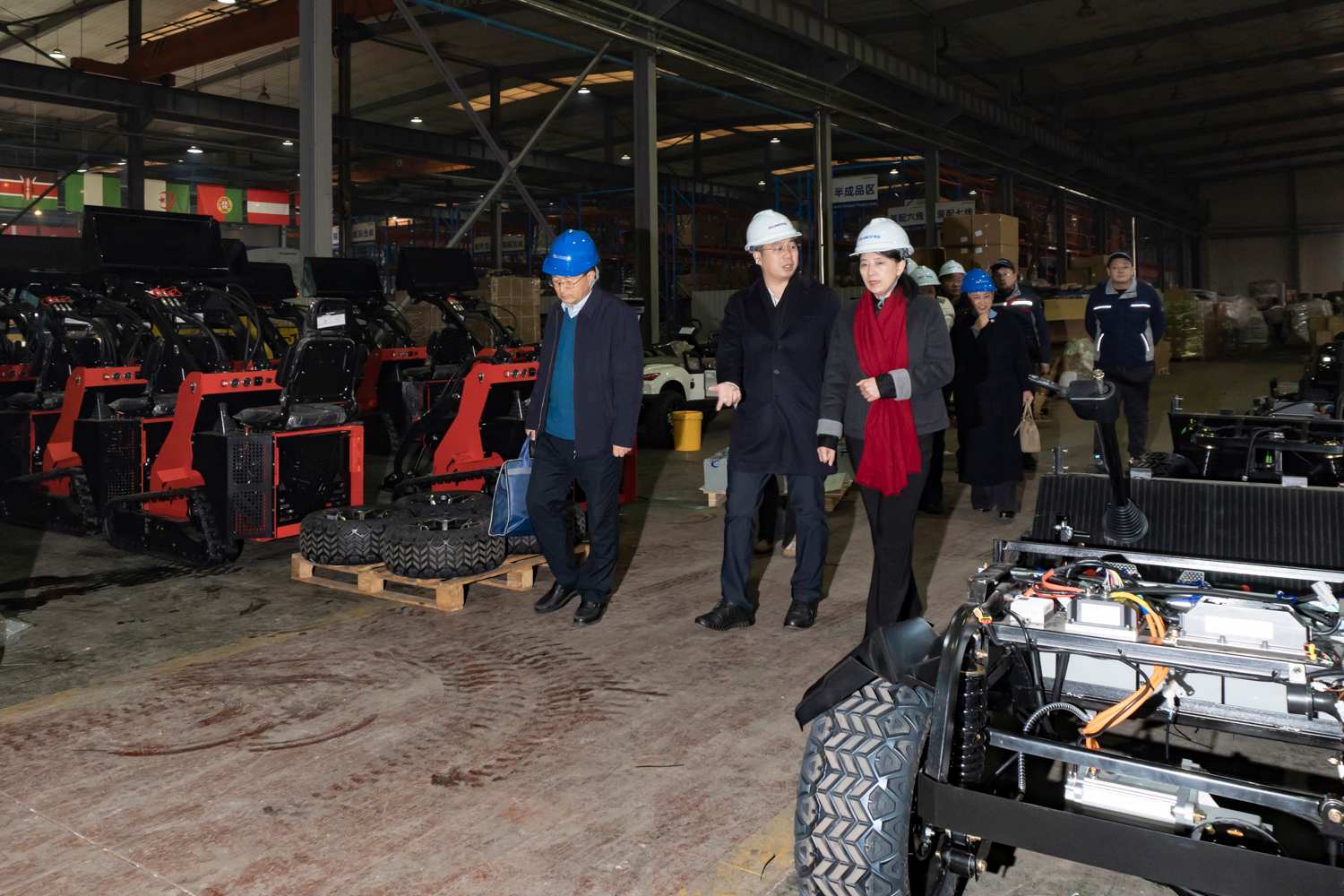
Both sides reached preliminary consensus on establishing joint practical training bases, targeted talent development programs, and collaborative technology research projects. The visit created a solid foundation for deeper university–enterprise cooperation and long-term innovation in smart construction equipment manufacturing.
Luangqi Intelligent Equipment Group will continue strengthening cooperation with higher education institutions under the principles of technology-driven development and talent-powered growth, supporting high-quality progress in the intelligent equipment industry and delivering greater value to global partners.
FAQ
1. What areas can university–industry cooperation cover in equipment manufacturing?
It can include joint R&D projects, engineering talent training, testing methodology development, and shared practice training bases.
2. Does your company provide factory tours for international buyers?
Yes. Qualified distributors and OEM partners can arrange factory visits, production reviews, and product testing demonstrations.
3. Can technical cooperation improve product customization capability?
Yes. Strong engineering and research collaboration improves design flexibility and supports application-specific customization.
4. How can buyers request technical documents or quotations?
Buyers can contact the sales engineering team directly to request quotations, technical specifications, and sample or pilot machine arrangements.
For detailed quotations, technical documentation, or sample evaluation units, international partners are welcome to contact our team for professional support.