
Remote Support That Keeps Mini Excavators Working Off Grid
When a mini excavator stops on a remote farm, hillside road or small urban jobsite, every hour of downtime threatens the schedule. For overseas buyers sourcing from a Mini Excavator China Factory, planning remote diagnostics, telematics support and rapid spare parts response in advance is one of the most practical ways to protect uptime.

Telematics as the first layer of remote protection
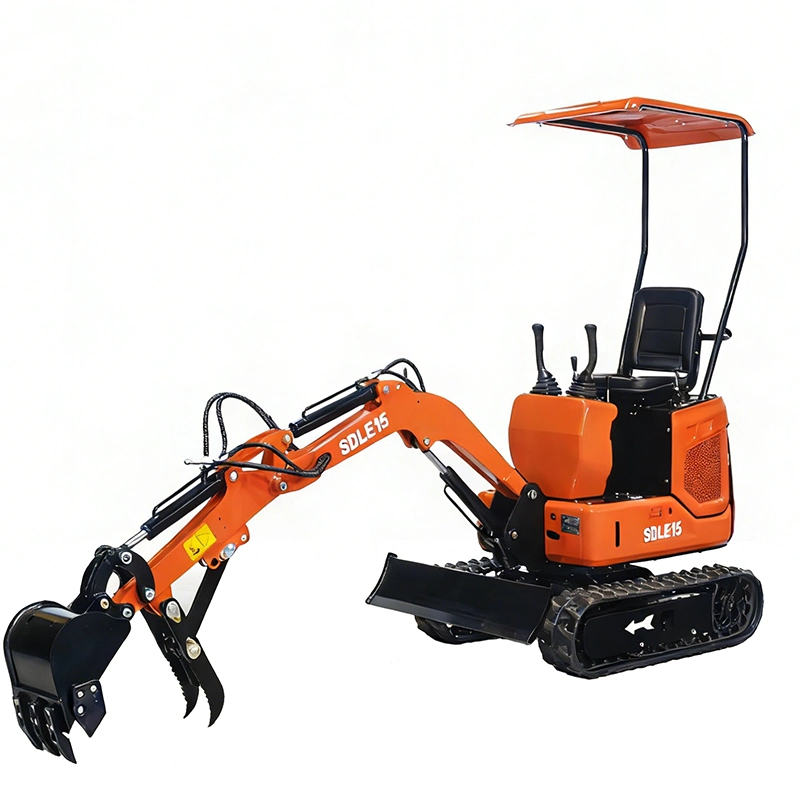
KATAR, based in Jining, Shandong, develops compact 0.8–1.7 ton mini excavators designed for harsh environments, with weather‑resistant engines and all‑weather tracks. As part of our focus on automation and smart technologies, we are integrating GPS tracking, real‑time data analysis and remote diagnostics into construction machinery such as skid steer loaders and mini excavators.
For international fleets, this telematics mini excavator layer supports everyday management by providing location, run‑hours and operating trends from key systems. When combined with clear, easy‑to‑read controls, it becomes simpler to guide operators remotely and reduce basic operating errors that often cause stoppages.
From alert to practical remote diagnostics
When a warning light or abnormal behavior appears on site, a structured remote diagnostics mini excavator workflow helps avoid unnecessary delays:

- Service staff review available telematics data and operator feedback.
- The operator performs simple visual checks and shares photos or video of hoses, tracks and instruments.
- Findings are compared with the fault lists, operating instructions and maintenance guidance supplied with the machine.
Because KATAR mini excavators use straightforward operation logic and labeled controls, overseas buyers can train local teams to follow these steps, making remote fault discussions faster and more accurate.
Shandong manufacturing and logistics behind uptime
Luanqi (Shandong) Intelligent Technology Co., Ltd. follows a standardized manufacturing process that includes CNC machining, robotic welding, assembly line integration and 100% full‑machine performance and safety testing before shipment. For a China mini excavator manufacturer, this disciplined workflow reduces post‑delivery disputes and underpins reliable after‑sales support.
For export, KATAR uses standard exported wooden cases for LCL goods and secure fixation for FCL container loads, with typical delivery of machines in about 7–10 working days after receiving advance payment. Buyers concerned about rapid spare parts delivery for mini excavator fleets can align their own inventory plans with these logistics patterns, keeping basic consumables and wear parts closer to the jobsite while larger items follow regular shipments from Shandong.
What international buyers should confirm in after-sales
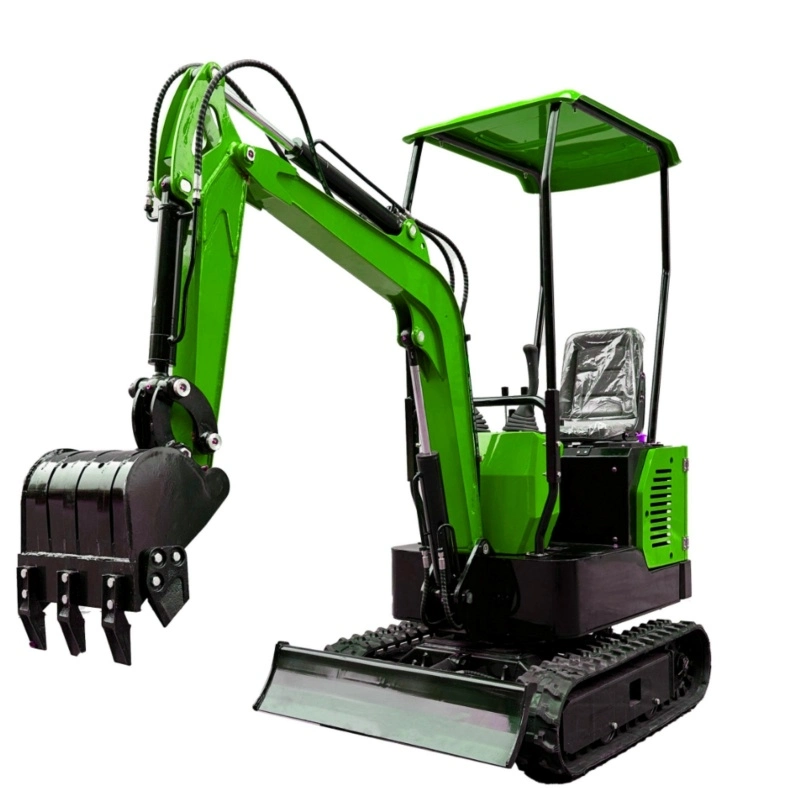
Before placing OEM or branded orders with a Mini Excavator China Manufacturer, it is worth aligning expectations on a few key points:
- Telematics roadmap – Current and planned functions for GPS tracking, run‑hour reporting and remote diagnostics on mini excavator models.
- Response and support – How remote triage is handled, including access to technical staff and documentation in English or other required languages.
- Logistics and packaging – Use of standard export wooden cases or containers, and typical lead times from Shandong for different shipment sizes.
- Warranty and maintenance – Written warranty scope plus the maintenance services and customer support the supplier can provide.
- OEM/ODM options – Engine choices such as Euro 3, Euro 5 or EPA‑compliant models, weather‑resistant configurations, colors and branding.
Aligning these points up front helps overseas buyers turn a telematics mini excavator fleet into a predictable, low‑dispute asset rather than a source of hidden downtime.
Practical staging ideas for remote projects
For projects far from major cities, buyers often combine the strength of a Shandong mini excavator factory with on‑site preparation:
- Keep minimum stocks of filters, hydraulic seals, bucket teeth and key sensors at the project or regional warehouse.
- Use quick couplers and attachments such as augers, hydraulic breakers, rakes and grabs to reduce the number of separate machines required.
- Define an escalation path that starts with remote diagnostics, then local technicians, and finally factory‑level support when needed.
Thoughtful planning around remote diagnostics mini excavator workflows, telematics data and logistics helps ensure that compact excavators from KATAR continue working steadily, even when the nearest city is many hours away. To discuss telematics mini excavator configurations or request a quotation, overseas buyers are welcome to contact us directly.
FAQs
Q1: Do KATAR mini excavators support telematics and remote diagnostics?
KATAR is integrating GPS tracking, real‑time data analysis and remote diagnostics into its construction machinery, including mini excavators, as part of its automation and smart‑technology development.
Q2: How long does it usually take to receive machines from Shandong?
Delivery for exported machines is normally about 7–10 working days after receiving advance payment, with the exact time depending on the item and order quantity.
Q3: How are mini excavators tested before shipment?
Every machine undergoes full‑machine performance testing, safety inspection and other quality control checks, with 100% testing completed before delivery.
Q4: How are products packaged for export from a Mini Excavator China Factory?
KATAR typically uses standard exported wooden cases for LCL shipments and secure fixation for FCL container goods to protect equipment in transit.
Q5: What customization options are available for overseas buyers?
OEM/ODM services include customized color, size, functional configuration, branding and engine options such as Euro 3, Euro 5 and EPA‑compliant models, along with weather‑resistant designs for harsh environments.
References
- KATAR. Mini Excavator product pages and technical specifications for 0.8–1.7 ton series, accessed via official site www.katartrading.com.
- KATAR. Company manufacturing overview and quality management, including CNC machining, robotic welding, full‑machine testing, packaging and global distribution, Jining, Shandong.
- KATAR. Automation and Smart Technologies note on integrating GPS tracking, real‑time data analysis and remote diagnostics into construction machinery and mini excavators.
- Luanqi (Shandong) Intelligent Technology Co., Ltd. Compact machinery for harsh environments – weather‑resistant engines, all‑weather track systems and OEM/ODM services for mini excavators, www.katartrading.com.
- Jalil, M. N. (2006). Customer Information Driven After Sales Service Management: Lessons from Spare Parts Logistics.
- Sener, E., & Iseley, D. (2009). Construction Equipment Fleet Management Using Telematics Technology. American Society for Engineering Education. https://doi.org/10.18260/1-2--4658
- Shanwell, T., & Svensson, H. (2013). Remote Diagnostics of Heavy Trucks through Telematics. Discussion of remote fault diagnosis and spare parts preparation. https://www.semanticscholar.org
- CONEXPO‑CON/AGG. Making the most out of telematics in construction equipment – service workflow and uptime benefits. https://www.conexpoconagg.com/news/making-the-most-out-of-telematics
- Proemion. Remote service use cases for OEMs – remote diagnostics, guided troubleshooting and spare parts preparation. https://www.proemion.com/en/resources/knowledge/use-cases/remote-service.html


