Keep Mini Excavators Working When Your Jobsite Is Remote
When a mini excavator operates far from major service centers, downtime essentially comes down to two factors: how fast you can identify the fault and how quickly you can get the right parts to the site. For overseas buyers, the most reliable approach is to align mini excavator remote diagnostics with a practical spare-parts plan—and confirm our China mini excavator after-sales service terms before shipment.

What you should know about the machine you’re supporting
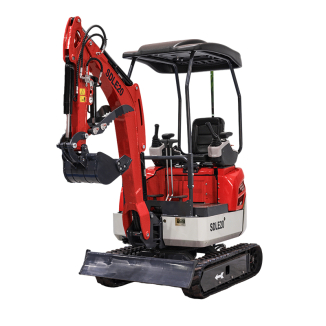
Our 1.7 ton mini excavator is engineered for efficiency and reliability in challenging environments. The configuration highlighted in our product specifications includes a comfortable, weather-resistant cab equipped with air conditioning and a high-efficiency radiator, powered by a robust Kubota D722 engine (14.9 kW/3600 rpm, 20.3 HP). Furthermore, the machine features an advanced hydraulic configuration—including an upper oil cylinder, thumb clamp, pilot operation, and side swing—supported by an all-weather track system with a 180 mm track width.
Remote diagnostics and telematics as the first response
We are driving an industry shift toward GPS tracking, real-time data analysis, and remote diagnostics for products like our mini excavators. For remote projects, even a basic setup facilitates faster decision-making:
- Location awareness and run-hour visibility.
- Operator-reported symptoms supported by photos or video.
- Clear fault history for remote review.
This infrastructure forms the practical backbone of telematics for mini excavators and our remote troubleshooting mini excavator routines.
A simple remote troubleshooting SOP that teams actually use
To minimize repeat site visits, we recommend standardizing a short workflow:
- Report: The operator shares photos/video along with the hour-meter reading.
- Review: A remote technician checks recent conditions and reported symptoms.
- Guide: Perform quick checks (visible hoses, filters, control-panel indicators).
- Picklist: Translate likely causes into a specific parts and tools list.
- Repair once: Arrive on-site prepared with the correct repair package.
Spare parts planning built around proven export routines
KATAR’s export details include EXW, FOB, CFR, CIF terms, with a lead time of 7–10 working days after receiving advance payment (depending on item and quantity). We utilize packing practices such as standard exported wooden cases for LCL and secure fixation for FCL. We turn these established logistics into a tiered plan for rapid spare parts delivery mini excavator support:

- On-site kit: Consumables and high-turn items stored with each mini excavator.
- Regional stock: Small inventory held by your local team or partner.
- Factory replenishment: Planned reorders aligned with your shipment terms.
Buyer checklist before shipment
Before your mini excavator leaves our facility in China, please confirm:
- Telematics and mini excavator remote diagnostics options.
- Remote support channel expectations (who responds and how issues are documented).
- Spare-parts ordering rules and recommended on-site kits.
- Proof of 100% test before delivery.
- Warranty and acceptance steps after arrival.
30–60–90 day uptime setup
- Day 0–30: Receive the mini excavator, verify pre-delivery testing, and activate agreed diagnostics.
- Day 31–60: Finalize the remote troubleshooting SOP and build the first on-site kit.
- Day 61–90: Set regional stock levels and schedule replenishment orders.
For specifications, options, and inquiry routing, please visit our official site: Contact us.
<>